
LAB EQUIPMENT REPAIR
LAB EQUIPMENT REPAIR – Complete Guide for Reliable Laboratory Instrument Maintenance
Introduction to Lab Equipment Repair
Repair of the lab equipment is a vital service that helps the scientific equipment to be operational and safe. The present day laboratories rely on accurate machines in testing, research, and diagnostics. Such a minor failure can provoke the consequences and lead to the expensive delays. Professional repair services contribute to extending the lives of equipment, minimizing the downtime and ensuring the standard of performance. It could be medical, industrial or research laboratories, but on time repair keeps things running and dependable.
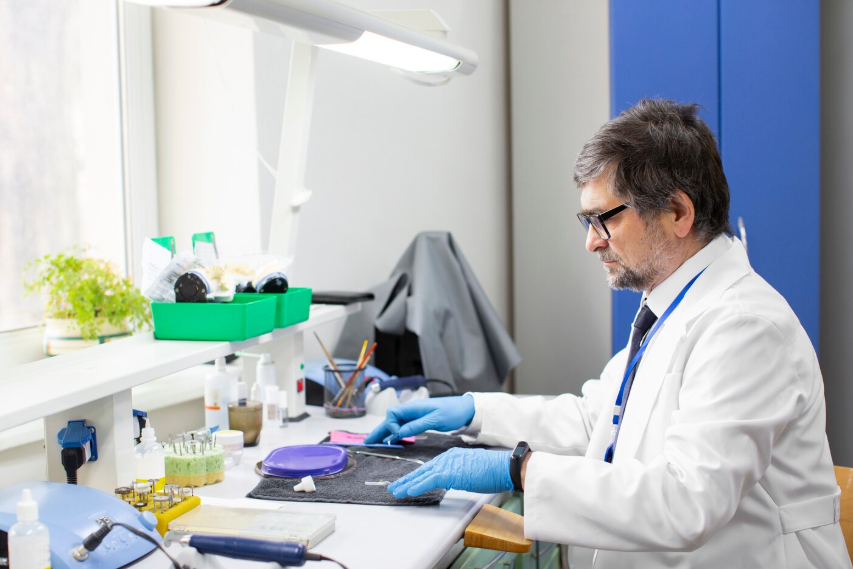
Why Lab Equipment Repair is Important
Precision The design of laboratory instruments is such that they wear out with repeated use. Maintenance services help avoid minor problems, which then develop into significant failure. Maintenance is required to be of good standard and adherence to safety regulations. It also safeguards costly investments through the extension of equipment. Laboratories could experience inaccurate findings and failure to make profits without the services of specialists.
Common Types of Laboratory Equipment We Repair
There are various types of instruments in use in different laboratories and these are instruments that need special attention.
Microscopes
Microscopes require frequent upkeep by aligning, cleaning lenses, and maintenance of electricity. The professional repair is the restoration of clarity and accuracy. The defective optics may cause misinterpretation of samples. Service: Consistency in servicing makes it reliable in the long run.
Centrifuges
Centrifuges are prone to motor problems, imbalance or speed control. The prompt repairs will avoid breakdowns and damages caused by vibrations. Technicians re-calibrate speed and change worn parts. This maintains the accuracy of sample separation.
Autoclaves
Sterilization would require autoclaves. Examples of common problems are that of leaks of pressure and heating boilers. Repair services also restore the levels of temperature and pressure. This ensures efficient sterilization. Incubators
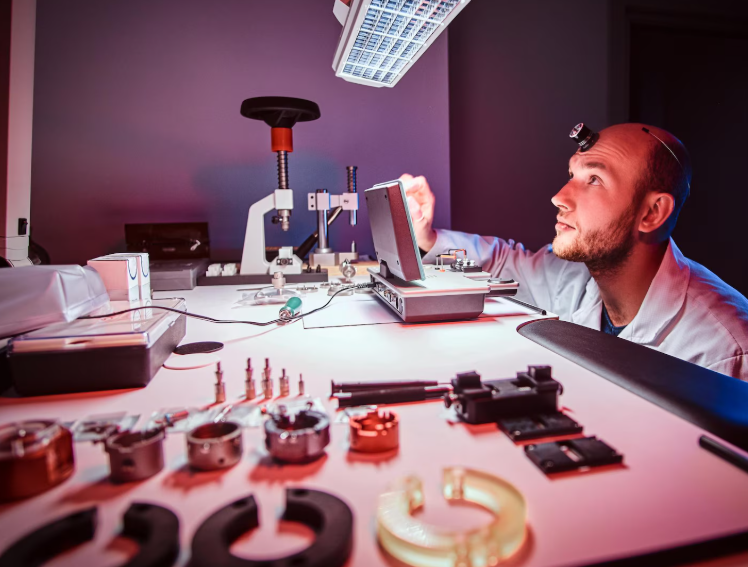
Incubators
Biological samples are controlled with incubators that control humidity and temperature. The cultures may be damaged due to sensor failures or airflow problems. The repair guarantees a stable environmental condition. This safeguards precious experiments.
Signs Your Lab Equipment Needs Repair
Problems are identified early hence saving time and money. Some of the warning signs are unusual noise, incorrect readings, sluggish performance and error messages. Physical damages or power problems also show repair requirements. The negligence of these indications can lead to a total breakdown of equipment. Professional inspection assists in the diagnosis of the issues in a short period of time.
Professional Lab Equipment Repair Services
Problems are detected with the help of high-quality diagnostic devices which are used by certified technicians. Mechanical repairs, electronic repairs, calibration and replacement of components are all services. Professionals adhere to manufacturer requirements of safe restoration. Repair is done professionally and is up to the industry standards. This ensures reliable performance.
Preventive Maintenance vs Emergency Repairs
Preventive maintenance entails a routine inspection and service. It prevents unexpected failures and prolongs the life of equipment. Emergency repairs are needed when equipment has failed suddenly. Prevention schemes save time and general expenses. Harmonious attitude maintains efficiency of laboratories.
Benefits of Hiring Expert Lab Equipment Repair Technicians
The skilled technicians are knowledgeable on intricate laboratory tools. They are quicker in diagnostics and offer sound solutions. Repairs done on long-lasting parts are undertaken by experts using actual spares. They are minimally disruptive in their services. Maintaining safety and accuracy is guaranteed by professional assistance.
Calibration After Repair – Why It Matters
Calibration is necessary after any kind of repair. It makes sure that the instruments give correct readings. Calibration equips equipments to approved standards. The results obtained through re-calibration can still be wrong unless the equipment is properly calibrated. Scientific integrity is ensured by regular calibration.
Medical Laboratory Equipment Repair
Medical analysis is dependent on the analyzers, blood counters and diagnostic machines. Repair services assure accurate test results on patients. Strict healthcare protocols are observed by technicians. This is enabled by timely repair facilitating continuous medical services. The well-maintained equipment is crucial to patient safety.
Research Laboratory Equipment Repair
Experiments are carried out using delicate equipment in research laboratories. Even small errors can nullify data. The precision and performance are restored through repair services. Performance verification is also done by experts. This ensures that the findings of the research remain credible.
Industrial Lab Equipment Repair
Materials, chemicals, and products are tested in industrial laboratories. Malfunctions of equipment may halt production lines. Repair services reduce downtime and allow quality control. Repair is geared towards the durability and operational efficiency.
Spare Parts Replacement and Availability
Good spare parts are essential in effective repair. Original parts are used by the authorized repair services. Adequate replacement aids in avoidance of problems. Parts availability increases the turnaround time. Authentic components guarantee stability in the long term.
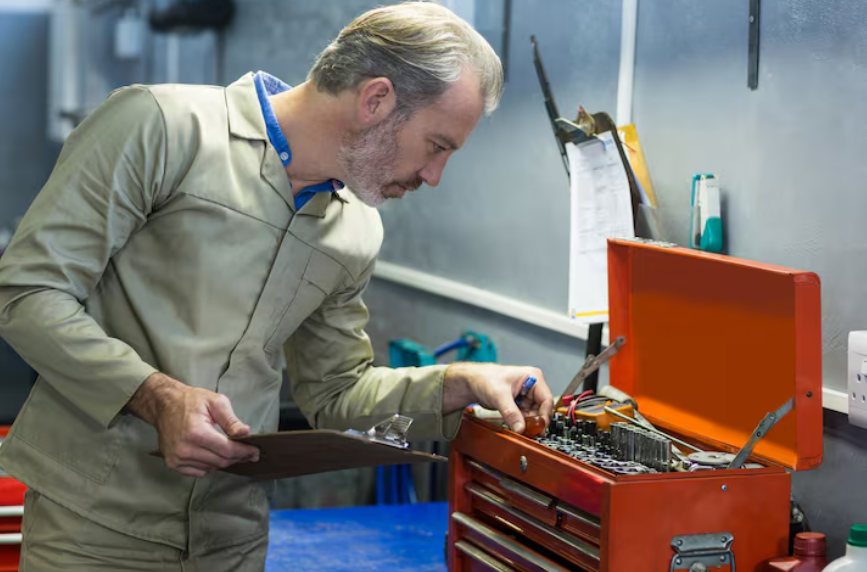
On-Site vs Off-Site Lab Equipment Repair
On-site repair will save transportation time and danger. Technicians repair your laboratory on a case-by-case basis. Complex problems that need workshop tools are capable of being repaired off-site. These two alternatives provide good solutions. The selection of the appropriate approach is based on the size of equipment and the level of damage.
Safety Standards in Lab Equipment Repair
The repair technicians are guided by the international safety standards. It is necessary to have electrical safety, contamination control, and proper handling. Compliance guard personnel and samples. The safe working environments are as a result of certified repairs services.
Cost Factors in Lab Equipment Repair
The repair will reliant on the type of equipment, the level of damage, and the spares. Prophylaxis maintenance reduces the maintenance costs in the long term. Repairs that are necessitated by an emergency tend to be more expensive. Open pricing assists the laboratories to strategize on budgets. Repairing by a professional is less expensive than replacing.
Future of Lab Equipment Repair Industry
Repair services are in the process of being automated and diagnostically Europeanized by AI. The problems will be identified in time by remote monitoring. Predictive maintenance will be the norm. The industry keeps going on to do quicker and smarter repairs.
Conclusion
To ensure laboratory accuracy, safety and productivity, lab equipment repairs are necessary. Since microscopes to complex analyzers, professional repair services recover the performance and increase the service life of equipment. Calibration, skilled technicians, and preventive maintenance are very reliable. Selecting the appropriate partner in repair will save money and safeguard precious scientific resources.